
BI Similarity helps organizations to make better use of their data, improve efficiency, and gain valuable insights that drive informed decision-making by:
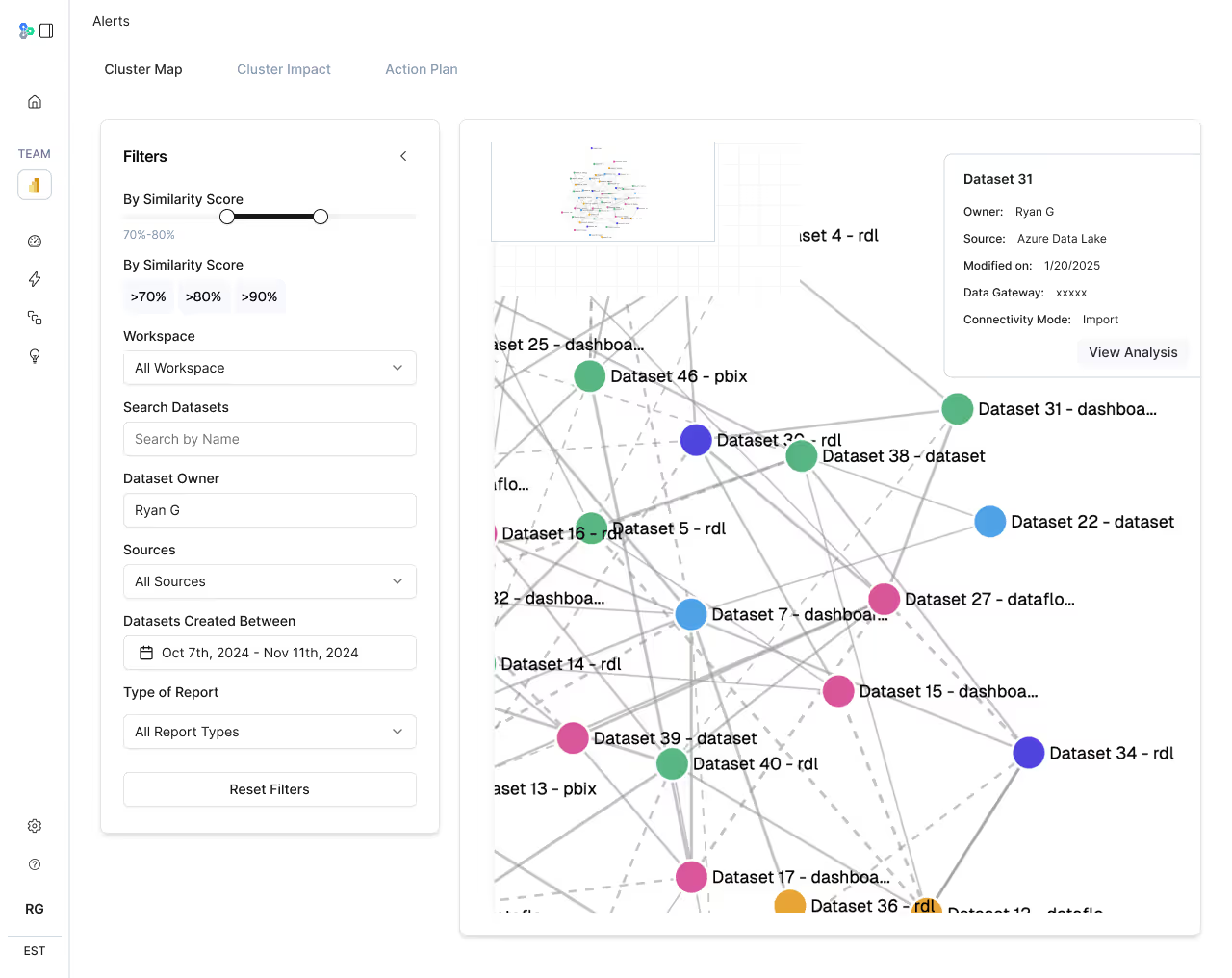
Duplicate or overlapping reports create confusion and mistrust in data, leading to inconsistent, misinformed, or even conflicting decisions across teams and leadership.
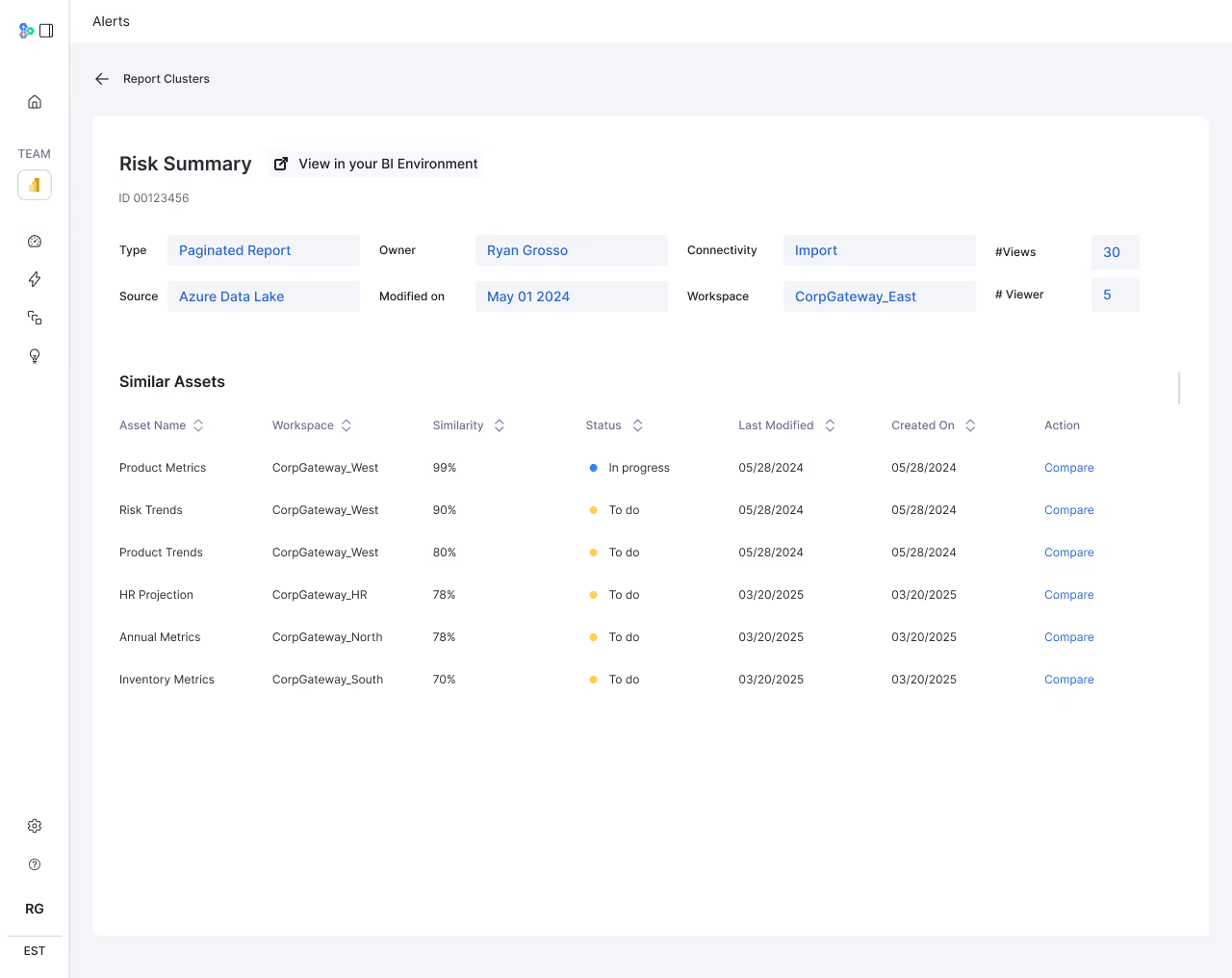
Identifying similar reports helps enforce a single source of truth, ensuring that data assets are accurate, well-managed, and aligned with governance standards.
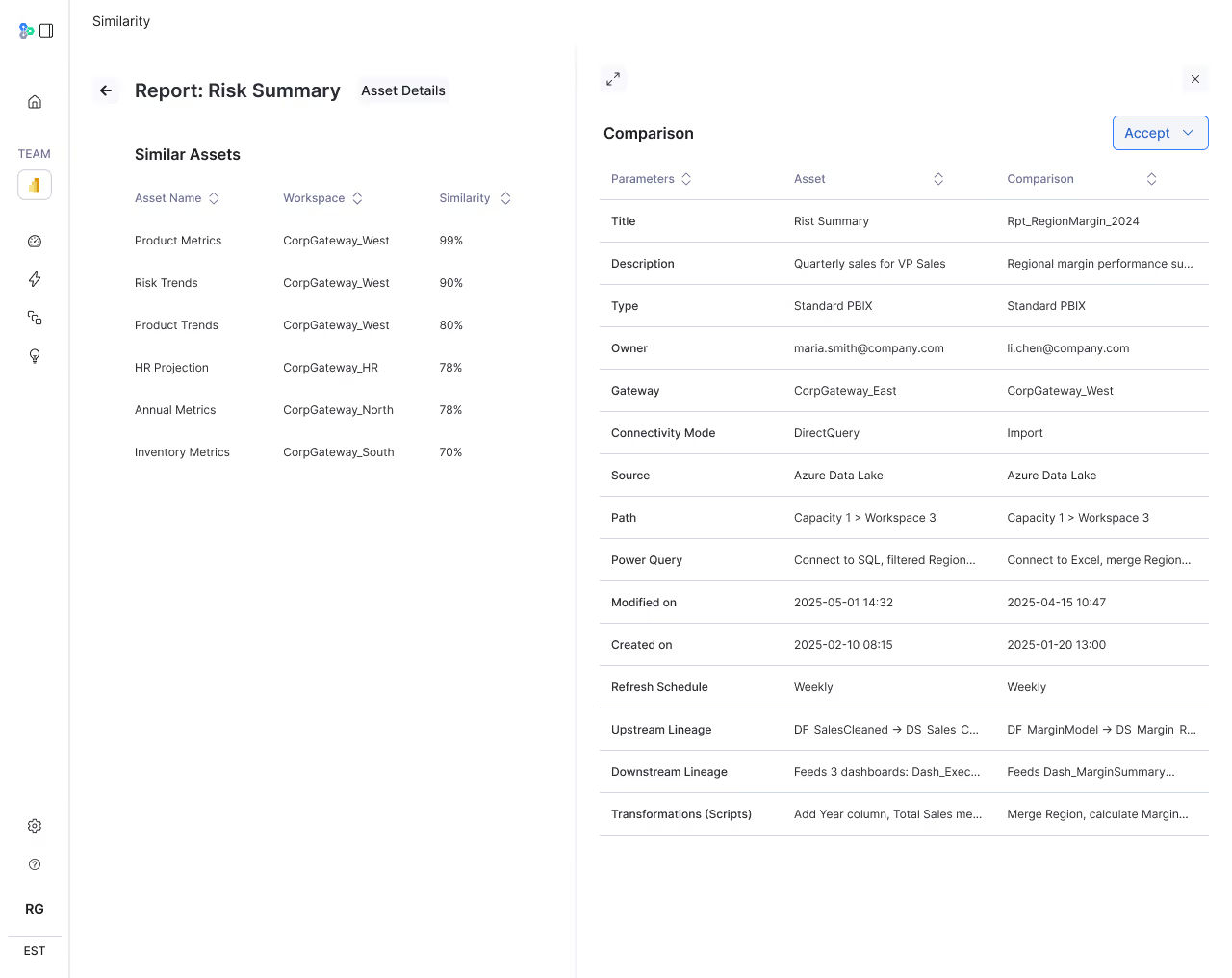
Redundant reports increase storage, maintenance, and licensing costs; reducing duplication directly impacts the bottom line by improving operational efficiency.
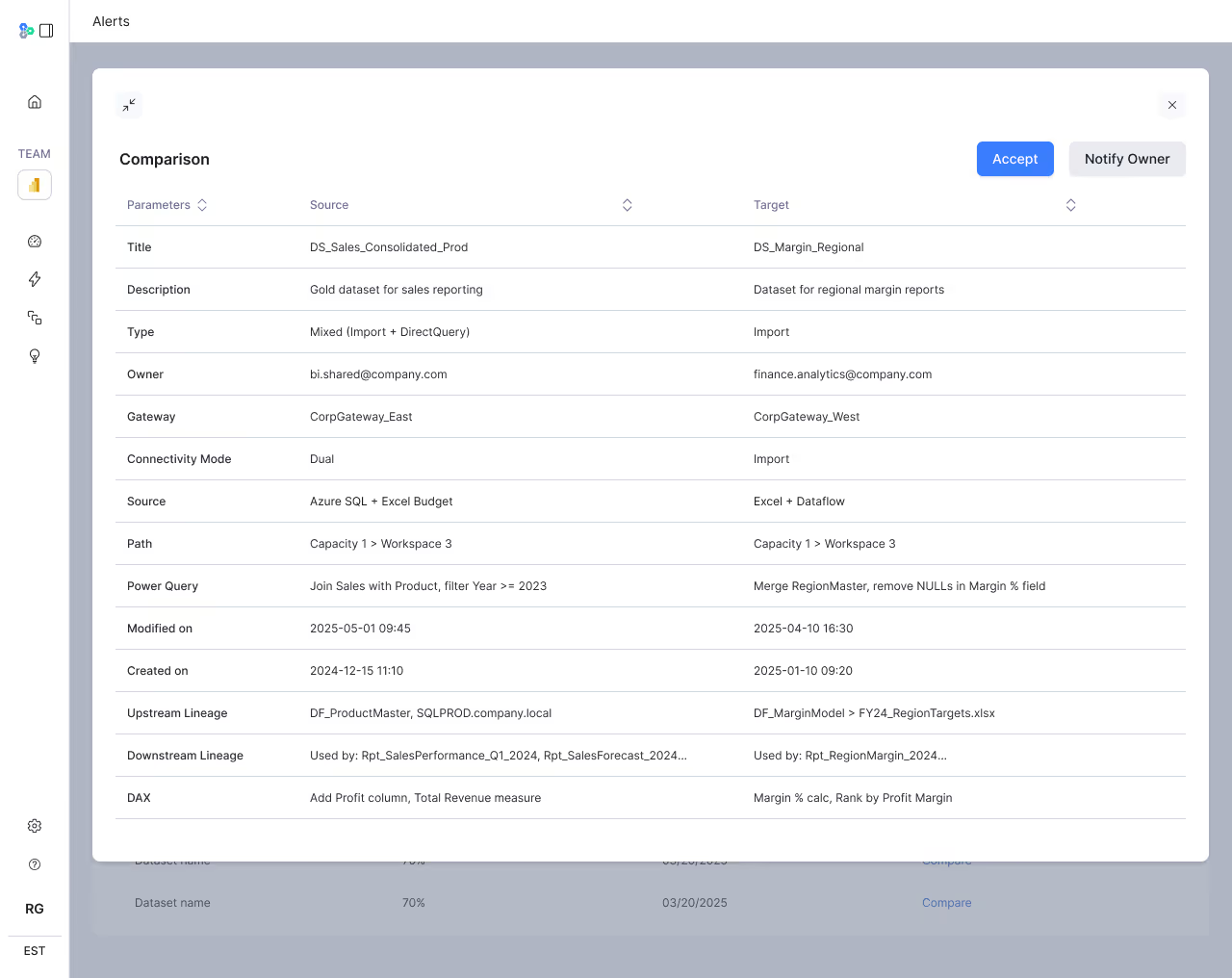
Identifying similar reports helps reduce duplicate content, saving storage space, streamlining maintenance, and improving platform performance at scale.
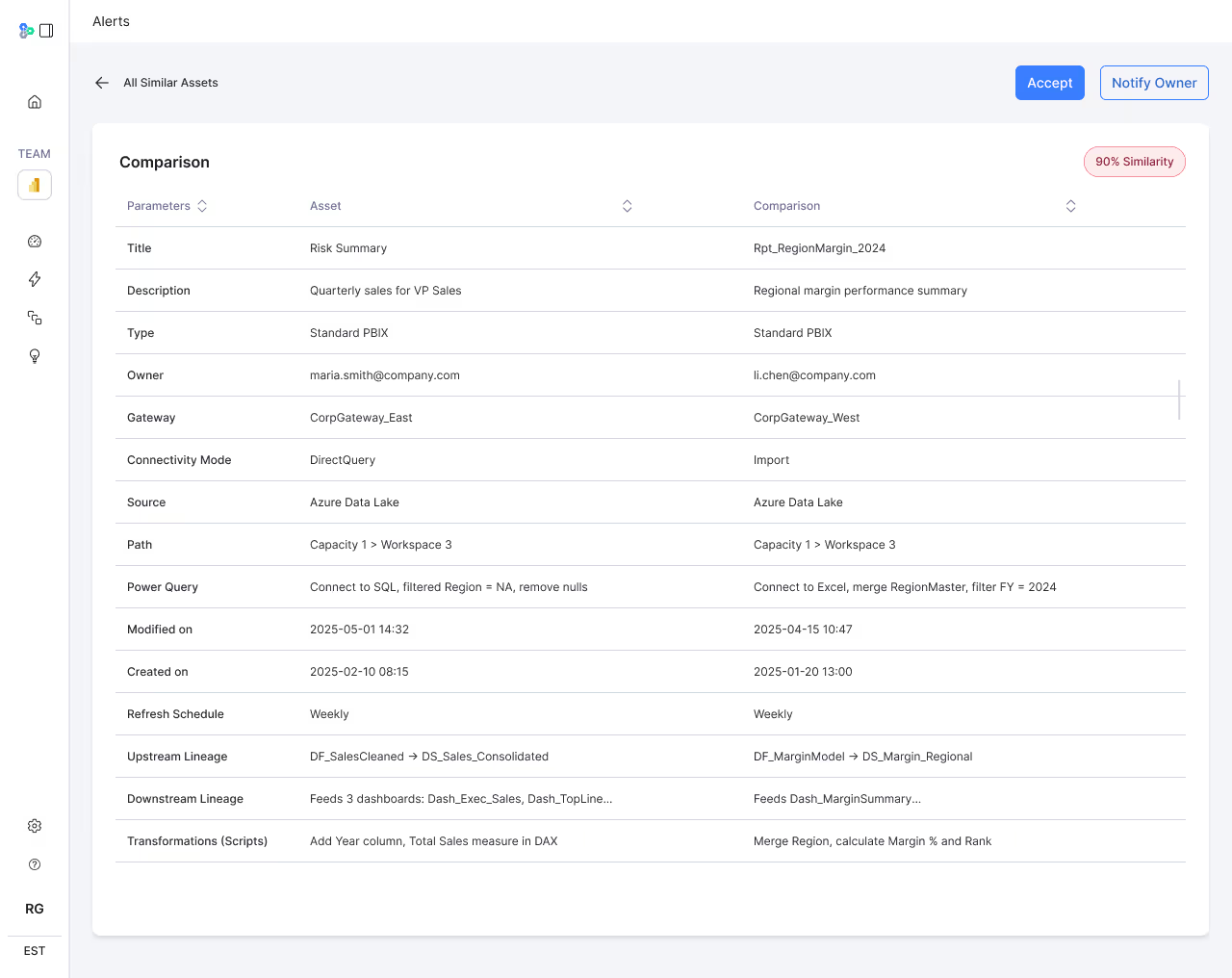
Highlighting overlapping reports reinforces a single source of truth, helping prevent version drift and reducing the risk of errors across teams.
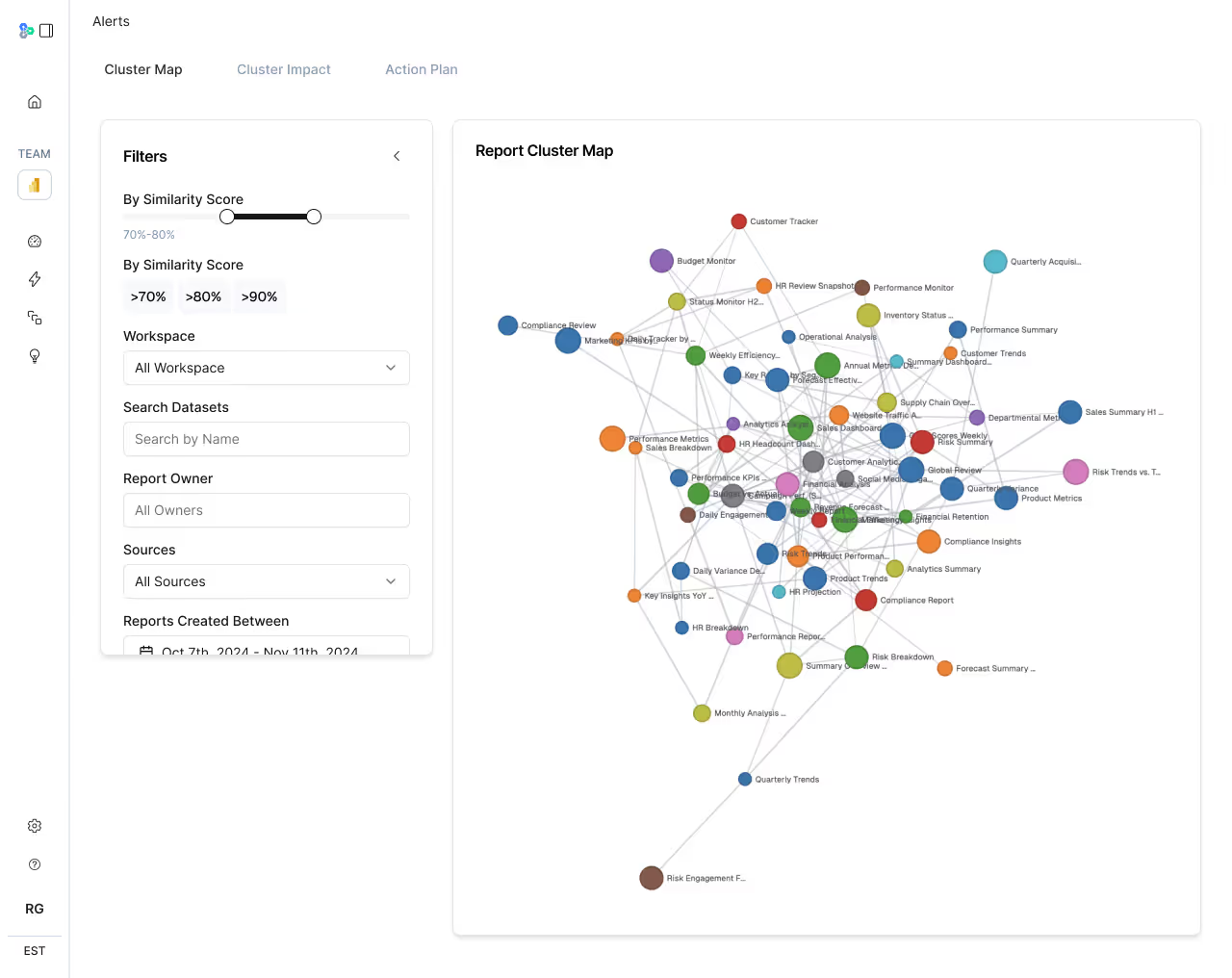
Eliminating report clutter simplifies the user interface, making it easier for users to find what they need and increasing overall platform adoption.
Better visibility into report duplication strengthens oversight, supports audit readiness, and helps enforce compliance policies across the BI environment.
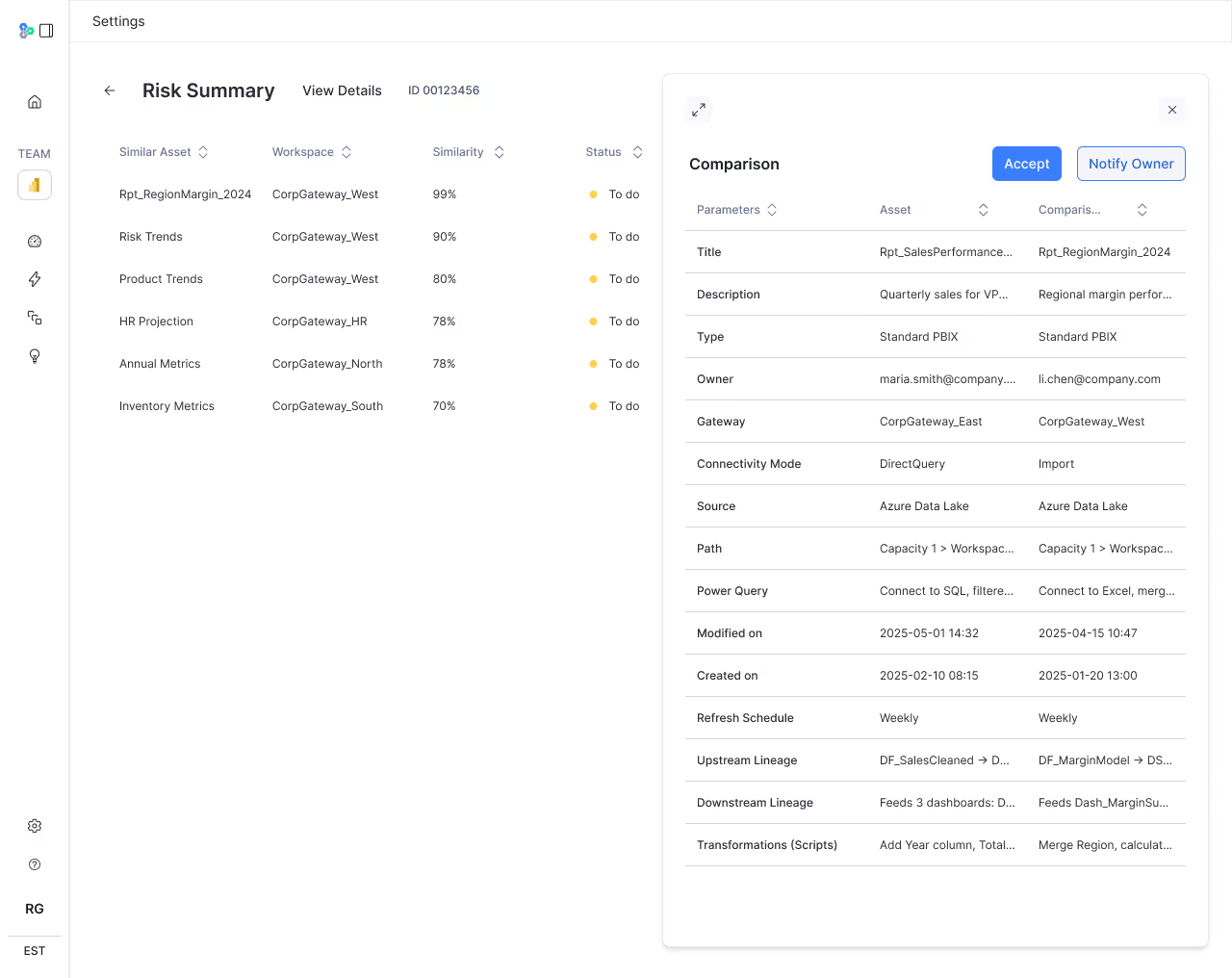
Reducing redundant development efforts enables teams to focus on innovation, speeds up delivery, and minimizes resource waste across BI projects.
A shared name or folder doesn't make two reports the same, and a different name doesn't make them different. Datalogz looks past the label to what's actually inside each report: the underlying data, the visuals, the calculations and transformations, and the structure connecting them to show not just that two reports overlap, but how much, and why.
It's semantic similarity, not text matching, powered by the semantic intelligence that lets Datalogz understand the meaning, relationships, and business logic behind every analytics asset, not just its metadata.
Reports are compared by semantic meaning, logic, and content, not by title, so renamed or restructured duplicates don't go unnoticed.
Each pair gets a similarity score, so a near-identical duplicate is easy to tell apart from a report that only shares one data source.
See exactly which elements two reports share the same dataset, the same calculation, the same visual instead of guessing why they look alike.
Finding overlap is only useful if it leads to a decision. Datalogz turns each similarity result into a clear next step for every report: keep it, consolidate it, or retire it so rationalization is a workflow, not a spreadsheet exercise nobody gets back to.
Some overlap is deliberate, like a regional variant or a department-specific view, and stays flagged as reviewed rather than repeatedly resurfacing.
Near-duplicates are merged into a single certified version with one semantic definition, so the same question doesn't get rebuilt from scratch by the next team that needs it.
Reports with no meaningful difference from an existing certified version are marked for retirement, with an owner attached before anything is removed.
Every report left duplicated keeps adding to the license, storage, and maintenance costs behind your BI environment, which is where Datalogz's cost reduction work picks up.
BI report similarity is the practice of comparing reports beyond their name or folder to see how much of their underlying data, visuals, calculations, and structure actually overlaps. Because the comparison is semantic, two reports built on the same business logic are matched even when they look different on the surface. Datalogz surfaces this overlap automatically, so duplicate and near-duplicate reports can be found without relying on anyone remembering that they exist.
Datalogz compares reports on their substance rather than their title, the datasets they pull from, the calculations and transformations applied, the visuals used, and the structure behind them. Two reports with different names and owners can still be identified as near-duplicates if what they actually contain matches closely.
Similarity is measured across the underlying data sources, the calculations, metric definitions, and transformations applied to that data, the visuals and layout, and the semantic model and structural logic connecting them. Comparing all four together is what separates an intentional variant from an accidental duplicate.
Yes. Rather than a single score with no explanation, Datalogz shows which specific elements two reports share the same dataset, the same calculation, the same visual so teams can see exactly where the overlap comes from before deciding what to do about it.
Sprawl grows one self-service report at a time, and duplication is usually invisible until someone notices two dashboards disagree. By surfacing overlap automatically and scoring how close reports really are, BI Similarity gives teams a starting point for consolidation and consistent metric definitions instead of a report catalog nobody has time to review manually.
Yes. Every similarity result maps to a clear next step: keep a report that's intentionally different, consolidate near-duplicates into a single certified version, or retire ones that no longer need to remain separate. Rationalization decisions get made deliberately, not left to whoever happens to open the report next.
Yes. Datalogz connects across the major BI platforms an enterprise typically runs, so similarity is measured across the full analytics environment rather than one tool at a time. This matters most where duplication happens quietly, between reports built in different tools by different teams.

